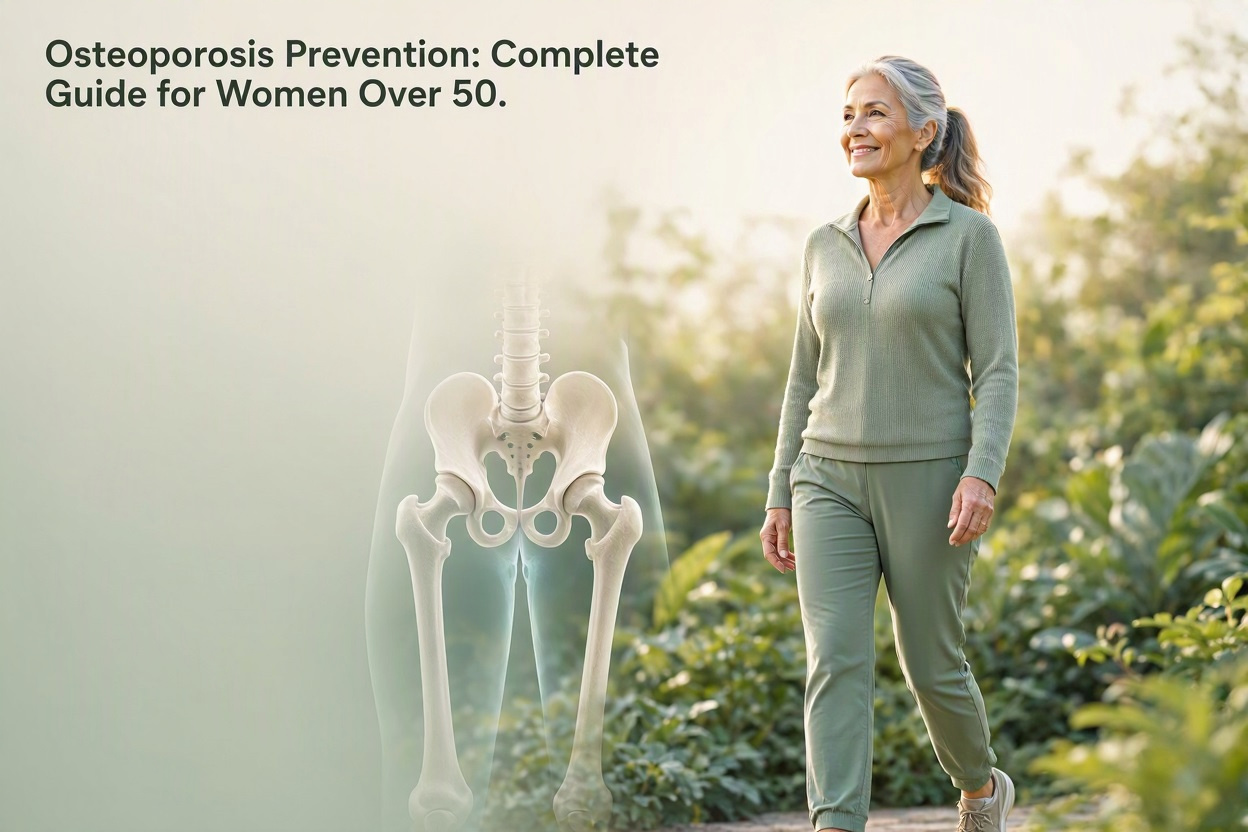
Osteoporosis is often called a silent disease because bone loss causes no symptoms until a bone breaks. Women are affected far more often than men: about one in two women over 50 will break a bone because of osteoporosis during their lifetime, according to commonly cited estimates from bone-health organizations. The encouraging part is that many of the factors involved can be addressed, and the earlier you start, the more options you have.
Why Women Face a Higher Risk
Women usually have smaller, thinner bones than men to begin with, and they live longer, which gives bone loss more time to add up. Then menopause changes the picture. Understanding that change is the first step toward a sensible prevention plan.
What Happens to Bone After Menopause
Throughout life, specialized cells remove old bone and others build new bone. In younger adults the two processes stay roughly in balance. After menopause, bone removal tends to outpace bone building, and the fastest losses typically occur in the first several years. Some women lose a noticeable share of their spinal bone density during that window, which is why this stage of life deserves attention.
The Role of Estrogen
Estrogen helps restrain the cells that break down bone. When estrogen levels fall during menopause, that restraint weakens. Early menopause, whether natural or caused by surgery or cancer treatment, lengthens the period of low estrogen and raises risk. Hormone therapy can protect bone in some women, but it carries its own risks and benefits, so it is a decision to make with your doctor.
Looking for a Guided Starting Point?
The Bone Density Solution is a digital educational guide covering nutrition, movement, and daily habits related to bone health.
Learn More – Only $49A Seven-Part Prevention Plan
No single step prevents osteoporosis, but these seven areas cover the habits that health organizations most often highlight:
- Meet your calcium needs — about 1,200 mg a day for women over 50, counting food first and supplements only to fill the gap.
- Check your vitamin D — many women need 800 IU or more a day from all sources; ask about a blood test.
- Eat enough protein — it supports both bone and the muscle that prevents falls.
- Include magnesium and vitamin K — through vegetables, legumes, nuts, and seeds.
- Stay active — weight-bearing and muscle-strengthening exercise, plus balance work.
- Avoid tobacco and limit alcohol — both are linked with faster bone loss.
- Get screened — so any loss is found early.
Nutrition That Supports Bone
A varied, mostly whole-food diet does more for bone than any single nutrient. Plain yogurt, milk, calcium-set tofu, canned sardines or salmon with the soft bones, kale, bok choy, and fortified plant milks provide calcium. Eggs, fatty fish, and fortified foods provide vitamin D. Beans, nuts, and seeds add magnesium, and colorful fruit and vegetables supply vitamin C and other nutrients used in building the bone matrix. Very high salt intake and excess caffeine can increase calcium loss, so moderation helps.
Exercise That Supports Bone Density
The best exercise program combines three elements: weight-bearing activity such as brisk walking, muscle-strengthening such as resistance bands or light weights, and balance training such as tai chi. Together they load the skeleton, strengthen the muscles that protect it, and reduce the chance of the fall that leads to a fracture. Women with a diagnosis of osteoporosis should ask a doctor or physical therapist about movements to avoid, such as deep forward bending or forceful twisting of the spine.
The goal is not only denser bones; it is also stronger muscles and better balance so that fractures are less likely to happen at all.
Lifestyle Factors That Matter
Several everyday factors influence bone: smoking, heavy alcohol use, very low body weight, long-term use of certain medicines such as oral corticosteroids, and some medical conditions including thyroid, digestive, and kidney disorders. Reviewing your medicine list and health history with your doctor can reveal risks you can do something about. Making the home safer by improving lighting, removing loose rugs, and adding grab bars is a simple, effective fracture-prevention step.
When to Ask About a Bone Density Scan (DEXA)
A DEXA scan measures bone density at the hip and spine and produces a T-score. A T-score of -2.5 or lower is classified as osteoporosis, and scores between -1.0 and -2.5 indicate low bone mass. Many guidelines recommend screening for all women at 65, and earlier for postmenopausal women with risk factors such as a parent who broke a hip, a previous fracture after minor trauma, smoking, or long-term steroid use. Your doctor may also use a tool called FRAX to estimate your ten-year fracture risk.
Lifestyle and Medical Treatment Work Together
It is a mistake to see lifestyle and medication as rivals. For women with osteoporosis or high fracture risk, doctors may prescribe medicines that slow bone loss or build new bone, and these have good evidence for reducing fractures. Nutrition, exercise, and fall prevention remain important alongside them. Never stop or change a prescribed medicine because of something you read online; discuss any concerns about side effects or alternatives with your prescriber.
Building a Routine You Can Keep
Start small. Add a daily walk, swap one low-calcium snack for a calcium-rich one, book a vitamin D blood test, and put a DEXA scan on your calendar if you are due. Review your progress every few months and adjust. Many women find that a written plan or a structured guide makes it easier to stay consistent, and The Bone Density Solution is one educational option available if you prefer that format.
This article is for general education only and is not medical advice. Talk with your doctor or another qualified healthcare professional before changing your diet, exercise routine, supplements, or medications.
Take the Next Step for Your Bone Health
Review The Bone Density Solution, a digital guide to bone-health habits, and check the official page for current terms and the refund policy.
Get Instant Access – Only $49