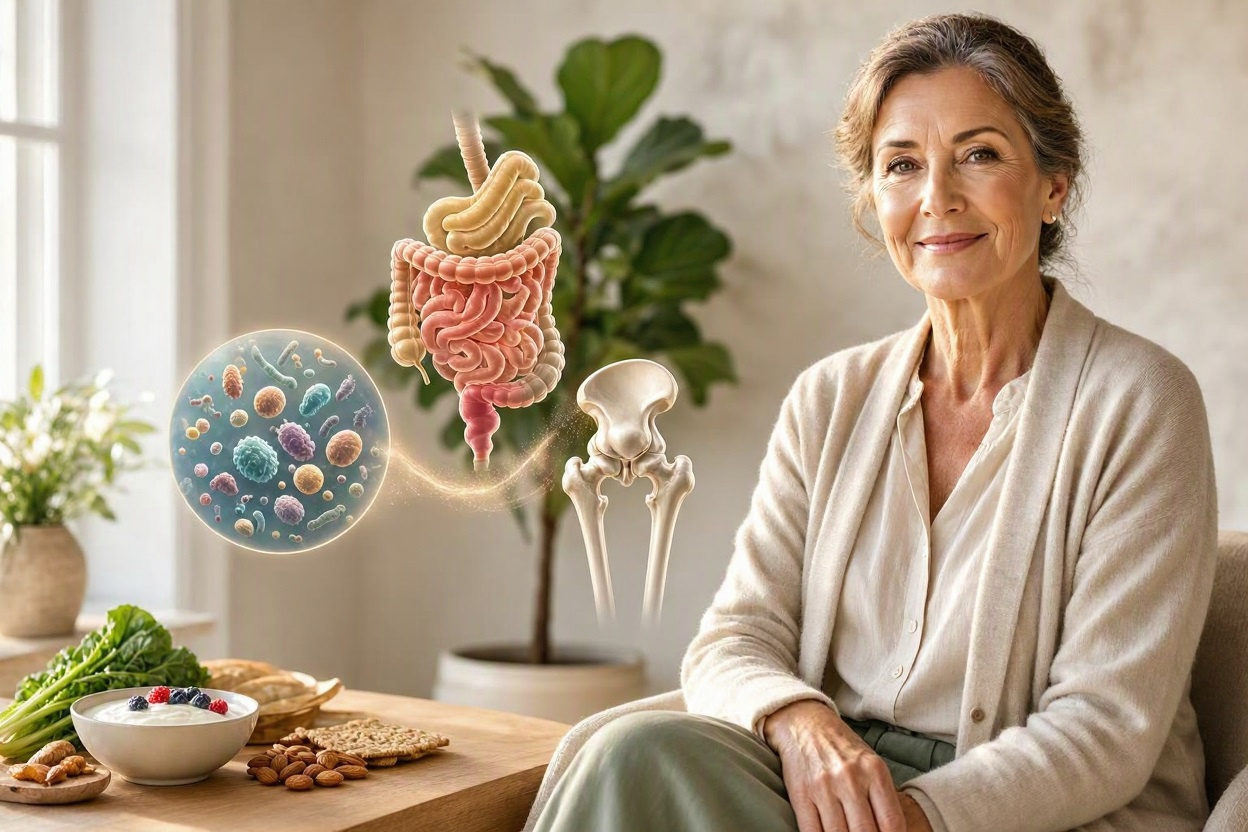
Your digestive system and your skeleton seem unrelated, yet scientists have found several links between them. Trillions of microbes live in the human gut, and they influence immunity, inflammation, and how well nutrients are absorbed. All three of those things matter to bone. This article explains what is reasonably well supported, what is still early-stage science, and what practical steps make sense today.
The Gut-Bone Connection Explained
Researchers sometimes describe a "gut-bone axis," meaning the ways the digestive tract and its microbes can influence bone metabolism. The main routes are nutrient absorption (the gut is where calcium, magnesium, and vitamin D are taken up), the immune system (about 70 percent of immune tissue sits along the gut), and chemical messengers produced by gut bacteria. Much of the evidence so far comes from laboratory and animal studies, with a smaller but growing number of human trials.
How Inflammation Can Affect Bone
Bone remodeling is sensitive to the body's inflammatory signals. Chronic inflammation increases activity of the cells that break bone down. This is one reason that conditions marked by long-term inflammation, such as inflammatory bowel disease and rheumatoid arthritis, are associated with a higher risk of low bone density. Whether everyday, low-grade inflammation from diet or gut imbalance plays a meaningful role in healthy people is still being studied.
Nutrient Absorption: Why Digestion Matters
You can eat plenty of calcium and still absorb less than you need if digestion is impaired. Celiac disease, Crohn's disease, and past weight-loss surgery can all reduce absorption, and long-term use of acid-reducing medicines has also been linked with a modestly higher fracture risk in some studies. If you have ongoing digestive symptoms such as persistent diarrhea, bloating, or unexplained weight loss, see your doctor. Testing for conditions like celiac disease is simple and may reveal a fixable cause of bone loss.
Interested in a Food-First Bone Routine?
The Bone Density Solution is a digital guide that touches on digestion, nutrition, and daily habits. Check the official page to confirm what is included.
Learn More – Only $49What Probiotic Research Shows So Far
A few small human trials have tested specific probiotic strains for bone effects. One well-known trial in older women found that a particular Lactobacillus strain reduced bone loss at one site compared with placebo, but the study was small and the results have not been established as general advice. Reviews conclude that more large, well-designed trials are needed before probiotics can be recommended specifically for bone health. Foods like yogurt and kefir are still reasonable to include because they also provide calcium and protein.
Signs Your Digestion Deserves a Closer Look
Bone loss itself has no symptoms, but certain patterns suggest it is worth asking your doctor about digestion and nutrient levels:
- Frequent diarrhea, greasy stools, or persistent bloating
- Unexplained weight loss or fatigue
- Iron-deficiency anemia that does not have a clear cause
- Known celiac disease, inflammatory bowel disease, or gastric surgery
- Long-term use of acid-suppressing medicines or oral steroids
Ten Foods That Support Digestion and Bone
No food repairs the gut or bone on its own, but these choices fit both a digestion-friendly and a bone-friendly pattern:
- Plain yogurt and kefir — live cultures plus calcium and protein
- Sauerkraut and kimchi — fermented vegetables (choose unpasteurized types if you tolerate them)
- Oats and barley — beta-glucan fiber
- Beans and lentils — fiber, magnesium, and plant protein
- Garlic, onions, and leeks — prebiotic fibers
- Bananas and berries — fiber and polyphenols
- Leafy greens — vitamin K, folate, and magnesium
- Oily fish such as salmon and sardines — omega-3 fats and vitamin D
- Nuts and seeds — magnesium, zinc, and healthy fats
- Olive oil — an anti-inflammatory staple of Mediterranean-style eating
Eating Patterns Linked With Lower Inflammation
Mediterranean-style eating is one of the best-studied patterns. Observational research connects it with a lower risk of hip fracture and better overall health. It emphasizes vegetables, fruit, whole grains, legumes, fish, nuts, and olive oil, with limited red meat and ultra-processed foods. You do not need to follow it perfectly; moving your usual meals a few steps in this direction is a realistic goal.
What Short-Chain Fatty Acids Are
When gut bacteria ferment fiber, they produce short-chain fatty acids such as butyrate. These molecules help nourish the cells lining the colon and appear to influence immune signaling. Laboratory studies suggest they may also affect bone cells, and some research shows prebiotic fibers can improve calcium absorption, particularly in adolescents. This is promising, but it does not yet translate into specific, proven recommendations for adults with low bone density.
Practical Ways to Support Your Gut
Rather than expensive gut-health tests, the most useful approach is basic: eat a wide range of plant foods, increase fiber gradually, drink enough water, limit unnecessary antibiotics, manage stress, and sleep well. If you have persistent symptoms, ask your doctor about appropriate testing. Commercial microbiome tests are not currently validated to guide bone-health decisions.
Putting It Together
The sensible message is that digestion and bone health are connected through absorption and inflammation, and that a fiber-rich, nutrient-dense diet supports both. Keep calcium and vitamin D intake adequate, stay active, and see your doctor about symptoms or risk factors. For readers who like a structured format, The Bone Density Solution is a digital guide that includes gut-and-nutrition topics alongside movement and lifestyle habits.
This article is for general education only and is not medical advice. Talk with your doctor or another qualified healthcare professional before changing your diet, exercise routine, supplements, or medications.
Support Your Digestion and Your Bones
Discover a step-by-step digital guide that brings nutrition, movement, and lifestyle topics together.
Get Instant Access – Only $49